



I’ve worked with enough equipment dealerships to know the pattern. The business is growing. Revenue is up. New locations are opening. By every external measure, things are going well.
But internally? Things are starting to crack.
The leadership team is stretched thin. Reporting takes longer than it should. Inventory exists somewhere across the operation, but no one can see it all at once. Decisions that used to feel confident start to feel like guesses.
This is the moment I call the visibility gap. And the dealerships that close it early are the ones that keep growing. The ones that don’t often find themselves chasing their own business instead of running it. I’ve seen both sides of that, and the dealers who get ahead of it, like WC Tractor, are worth paying attention to.
Growth Is Easy. Staying in Control Is Not.
There’s a phase in dealership growth that feels like momentum. New locations, new OEM relationships, revenue milestones that would have seemed ambitious just a few years earlier. It’s exciting, and it should be.
But growth changes the nature of the operation. When you run two or three locations, a general manager can keep a feel for things. They know the team. They can walk the lot. They have a sense of where things stand without needing a report to tell them.
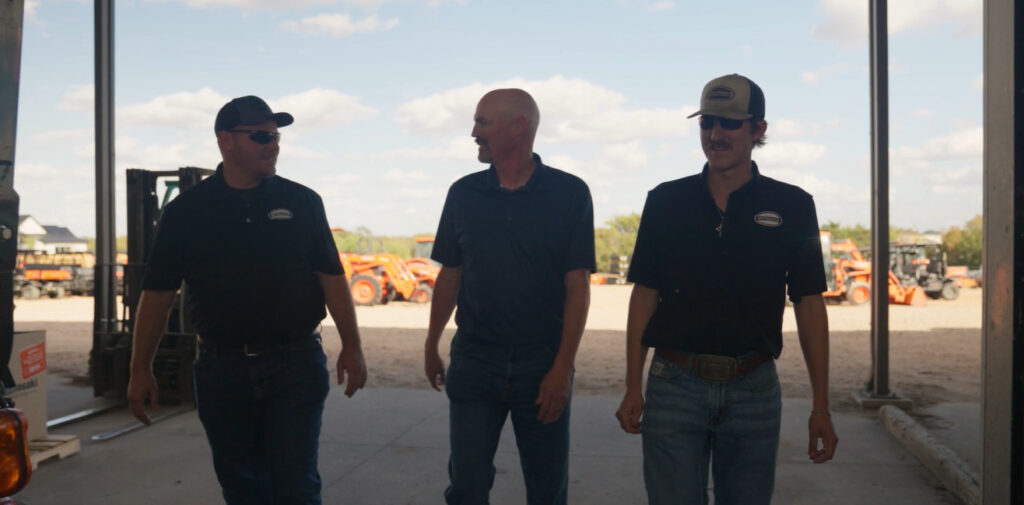
Add five more locations. Then nine. Then fourteen. That intuitive oversight breaks down fast. Reporting cycles stretch because data isn’t centralized. Inventory at one location sits unnoticed while another loses a deal for the same unit. Leadership decisions lag behind reality. Individual stores start operating in silos, with their own habits and their own version of the truth.
The challenge isn’t that the business got too big. It’s that the operational infrastructure didn’t scale alongside it.
Most dealerships don’t struggle because they grew too fast. They struggle because their visibility didn’t grow with them.
The Hidden Cost of “I’ll Pull That Report Later”
Here’s a conversation I have more than I’d like to admit.
I’m sitting with a leadership team and I ask how long it takes to get a read on where the business stands across all locations. The answer is usually some version of: “We know the numbers are in there somewhere. We just have to pull them together.”
That phrase is doing a lot of work. It means someone is manually gathering data from multiple sources. It means that data is already hours or days old by the time it’s reviewed. It means decisions are being made on a picture that’s already out of date.
Manual reporting doesn’t just slow things down. It changes how decisions get made. When data is hard to access, people rely on instinct. Month-end close cycles stretch into weeks. Managers who should be driving performance spend their time chasing numbers instead.
If your data isn’t accessible in real time, it isn’t operational intelligence. It’s a history lesson.
Where Data Actually Changes the Game
Data doesn’t improve a dealership by existing. It improves a dealership when it changes how people behave. Here’s where that actually shows up.
Cross-Store Inventory Visibility. In a multi-location operation, inventory physically exists across multiple lots. But if salespeople can only see their own store’s stock, you’re essentially running a separate business at each location. When any salesperson can see any unit across the entire operation, fewer deals are lost and teams start selling with confidence instead of apologizing for limitations.
Financial Close and Forecasting. A close cycle that takes three weeks isn’t just an accounting issue. It’s a signal that data isn’t flowing cleanly through the operation and that leadership is making strategic decisions with financial information that’s perpetually behind. Tightening that cycle, from weeks to days, gives leadership a real-time financial picture that actually informs decisions.


Store-Level Accountability. When store managers have dashboard access to their own performance data, something shifts. They stop waiting for direction and start acting on what they can see. Visibility at the store level turns managers into operators. That’s a meaningful change.
These aren’t hypothetical wins. They’re the kinds of changes that show up in the WC Tractor story, and they’re replicable for any dealer willing to make visibility a priority.
What the Best Dealerships Do Differently
After working across a lot of accounts, some patterns show up consistently among dealers that scale well.
They standardize before they scale. Processes get locked in before new locations open, not after. They prioritize real-time visibility over reports, because reports tell you what happened while dashboards tell you what’s happening. They reduce dependency on individuals, because the dealership that relies on one person to know where things stand is one resignation away from an operational crisis. And they invest in infrastructure before it’s urgent, because the dealerships that wait tend to pay twice: once reactively, and once to undo the shortcuts.
The Shift From Reacting to Driving Growth
There are two modes a dealership can be in. Reactive means something breaks, someone surfaces the problem, leadership responds. It keeps the best people focused on fixing yesterday instead of building tomorrow.
Proactive means leadership can see what’s coming. Managers act before problems compound. Decisions get made with current information.
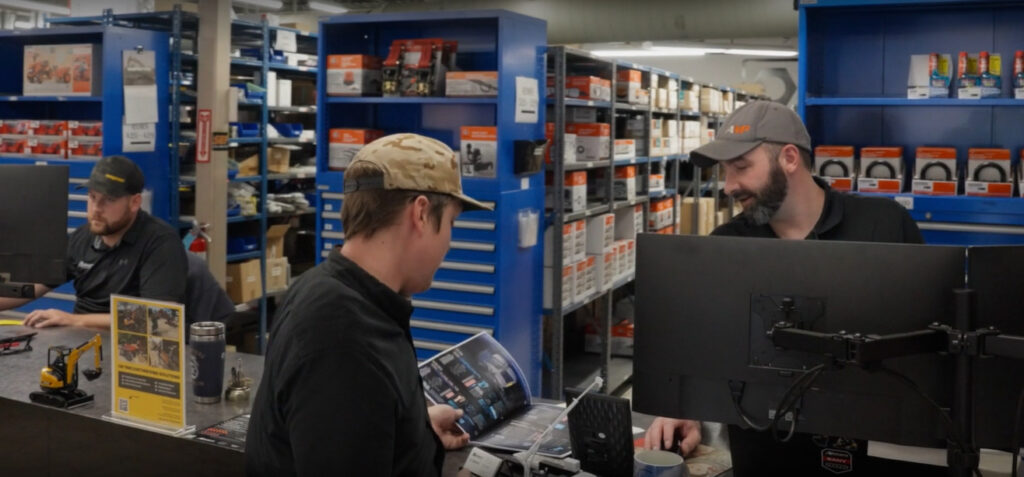
That shift is not about technology. It’s about control. A dealership that knows its inventory, its financials, and its store performance in real time isn’t reacting to its business. It’s running it.
The difference between a dealership that scales well and one that doesn’t usually isn’t growth rate. It’s whether leadership is controlling the growth or chasing it.
What This Means for Dealers Right Now
A few questions worth sitting with:
- Can you see performance across all your locations in real time, or are you piecing it together?
- How long does your month-end close take? If it’s measured in weeks, what’s driving that?
- Can any salesperson sell any unit regardless of which lot it’s on?
- Are your store managers operating with full visibility, or mostly on instinct?
If any of these feel uncertain, you’re not alone. The question is whether to address it now, while there’s still room to be thoughtful, or later, when the pressure is higher.
Learn From Dealers Who Have Already Solved This
WC Tractor went through exactly this kind of growth, and came out the other side running a tighter, more visible, more accountable operation. Their story is worth reading not because it’s exceptional, but because it’s repeatable.
Remember: The dealerships that win aren’t the ones that grow the fastest. They’re the ones that stay in control as they do.